
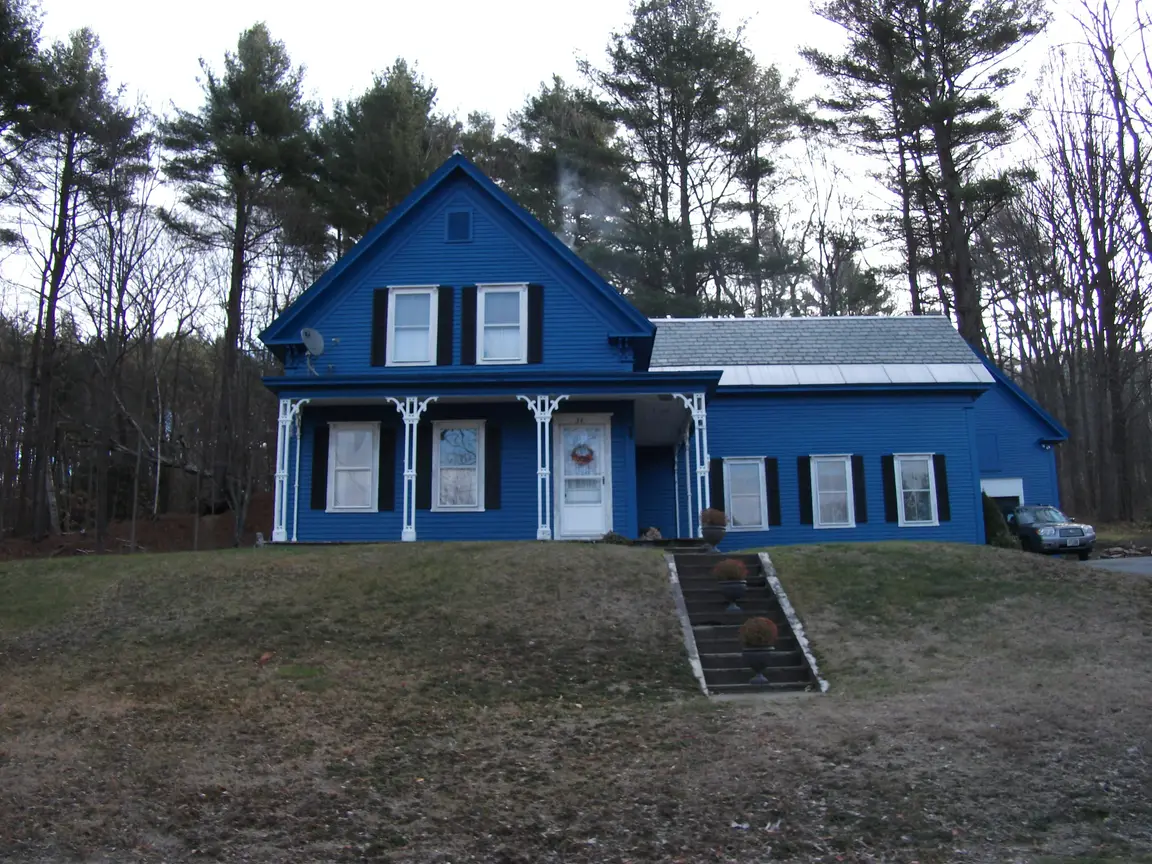
Water damage is one of the most common — and most underestimated — problems facing New Hampshire homeowners, especially given the state’s older housing stock and its harsh freeze-thaw winters. A burst pipe, ice dam, failed sump pump, or storm can cause damage that isn’t always obvious right away, and mold can take hold quickly once moisture gets trapped inside walls or flooring. Deciding whether to repair, remediate, or simply sell the property as-is often comes down to cost and timing.
Understanding Water Damage and New Hampshire Housing Standards
Under RSA 48-A, municipalities may adopt housing codes that address dwellings that are unfit for human habitation due to dilapidation, dangerous defects, or unhealthy conditions such as persistent leaks or dampness. In municipalities that haven’t adopted their own housing code, RSA 48-A:14 sets statewide minimum standards for rental housing, which specifically prohibit consistently leaking roofs or walls and defective plumbing or sewage backups. If water damage compromises the structural safety of the home, the hazardous building framework under RSA 155-B — the same law that applies to fire-damaged structures — can also come into play. These standards exist to protect occupants and neighboring properties, but they can add real pressure on top of an already stressful situation.
What Happens After Water Damage, Step by Step
- Stop the source and document the damage. Shutting off the water source quickly limits further damage, and photos help support any insurance claim.
- File an insurance claim. An adjuster typically inspects the property to assess the extent of the damage and available coverage.
- Assess for mold and structural issues. Trapped moisture can lead to mold growth or weakened framing if not addressed quickly.
- Housing code inspection, if applicable. For rental units, unresolved leaks or plumbing issues may trigger an inspection under RSA 48-A or a local housing code.
- Decision point: repair or sell. With repair estimates and insurance information in hand, you decide whether remediation makes sense or selling as-is is the better path.
Can You Sell a House With Water Damage or Mold?
Yes. You don’t need to complete mold remediation or structural repairs before selling. As a direct buyer, we purchase properties with water damage, mold, or moisture-related issues in their current condition, which means no remediation, testing, or repairs are required on your part before closing.
Practical Options After Water Damage
- Shut off the water source and dry out affected areas as quickly as possible to limit mold growth.
- Document all damage with photos before starting any repairs or cleanup.
- Get a moisture or mold assessment if you’re unsure of the extent of the problem.
- Weigh the true cost of remediation and repair against a straightforward as-is sale.
Why New Hampshire Homeowners with Water-Damaged Property Choose to Sell
- Avoiding the cost and time of mold remediation and structural repairs.
- A rental unit has a housing standards issue tied to water damage or mold — see our Tired Landlord Guide for more on landlord obligations.
- The damage happened alongside a fire — see our Fire Damage Guide.
- An insurance claim was denied or only partially covered the damage.
When Should You Call Us?
New Hampshire homeowners often reach out to us at these moments:
- Mold has spread and remediation estimates are higher than expected.
- A rental property has a habitability issue tied to moisture or water damage.
- Your insurance claim was denied or didn’t cover the full extent of the damage.
- You don’t want to manage contractors, inspections, or remediation companies.
- You just want a fast, certain sale without repairing the property first.
How We Help New Hampshire Homeowners with Water Damage
- We buy homes with water damage or mold in their current, as-is condition.
- No remediation or repairs required before closing.
- We’re comfortable with housing code and inspection issues tied to moisture damage.
- Flexible closing dates that work with your insurance timeline.
Why Choose Expert Land Sellers
- Fair, no-obligation cash offers with no commissions or listing fees.
- No need to remediate, repair, or clean the property before closing.
- Experience purchasing homes with mold, moisture, and structural issues.
- A simple, straightforward process from offer to closing.
Frequently Asked Questions
Can I sell a house with water damage or mold in New Hampshire?
Yes. You can sell a property with water damage or mold in as-is condition. As a direct buyer, we purchase homes regardless of the extent of moisture-related damage, so no remediation is required before closing.
Do I need a mold inspection before selling?
No. While a mold inspection can help you understand the scope of a problem, it isn’t required to sell to a direct buyer. We factor the property’s condition into our offer rather than requiring remediation upfront.
What if my rental has a habitability issue from water damage?
You can still sell the property. We’re experienced working with rental properties that have open housing standards issues under RSA 48-A, and can factor any outstanding issues into our offer and closing timeline.
Will my insurance claim affect the sale?
It can, depending on your policy and whether the claim is still open. Speak with your insurance carrier about how a sale affects an active claim, and let us know the status so we can factor it into your offer.
How fast can I sell a water-damaged home?
Timelines depend on your specific situation, but because we buy as-is with cash, many homeowners close significantly faster than they would with a traditional, repair-first listing.
This page provides general information about New Hampshire housing standards and is not legal advice. Please consult your insurance carrier, local code enforcement office, or a licensed attorney about your specific situation before making any decisions.
Related New Hampshire Guides
- Fire Damage in New Hampshire? Sell Your House As-Is
- Tired Landlord in New Hampshire? Sell Your Rental Property As-Is
- Vacant House in New Hampshire? Your Options Explained
- New Hampshire Cash Home Buyer Hub
Explore Related Pages
Explore how we help New Hampshire homeowners in similar situations, plus the cities and regions we serve.