
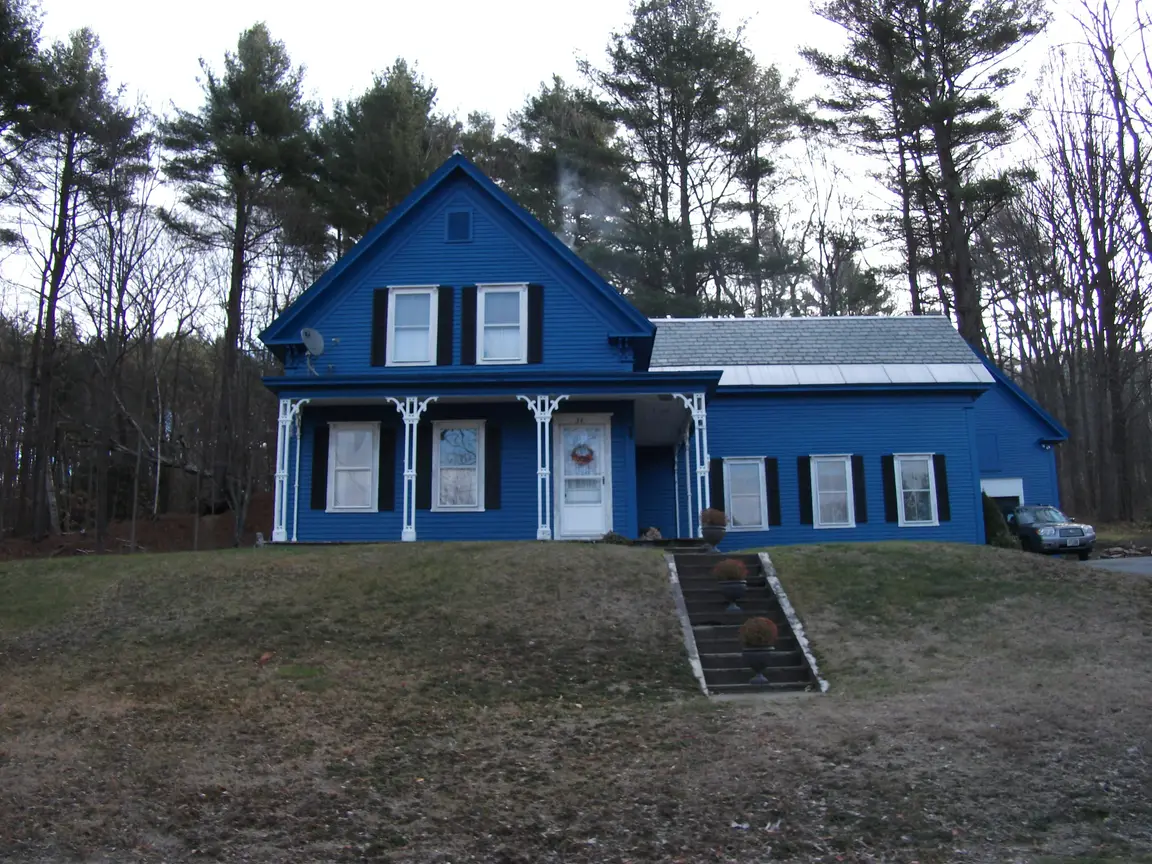
Managing rental property in New Hampshire can wear down even a patient landlord. Between late or missing rent, unexpected repairs, difficult tenants, and a legal process that takes real time to work through, many owners eventually decide selling is a better use of their energy than managing. You don’t have to wait for a lease to end or a tenant to move out — a rental property can be sold as-is, occupied or vacant, on a timeline that works for you.
New Hampshire Landlord-Tenant Law Landlords Should Know
New Hampshire regulates the landlord-tenant relationship primarily through RSA 540, which governs evictions, and RSA 540-A, which covers security deposits and prohibited practices. To end a residential tenancy, a landlord must serve a written eviction notice stating the specific reason — typically 30 days’ notice, or 7 days for nonpayment of rent, property damage, or a health or safety issue. Self-help evictions are illegal in New Hampshire: a landlord may not shut off utilities, change the locks, or otherwise remove a tenant or their belongings without going through the courts. Security deposits are capped at the greater of one month’s rent or $100, and a landlord holding a deposit must return it, or account for damage beyond normal wear and tear, within 30 days after the tenancy ends.
The Eviction Process, Step by Step
- Eviction notice. The landlord serves a written eviction notice stating the specific reason for termination — 7 days for nonpayment of rent, property damage, or a health or safety issue, or 30 days for other permitted reasons under RSA 540:2.
- Eviction Diversion Program. Before filing in court, New Hampshire offers free mediation to help landlords and tenants try to resolve the dispute on their own.
- Writ of summons. If the tenant doesn’t pay or leave after the notice period, the landlord files a possessory action in the District Division of the Circuit Court.
- Tenant’s appearance and hearing. The tenant must file an appearance by the return day on the writ; the court then holds a hearing where both sides can present their case.
- Judgment and enforcement. If the landlord prevails, the court issues a judgment for possession. Only a sheriff can carry out the physical eviction — a landlord may never remove a tenant or their belongings directly.
Can You Sell a Rental Property With Tenants Still Living There?
Generally, yes. When a rental property is sold, the new owner typically takes it subject to the existing lease and steps into the landlord’s role, including responsibility for the security deposit under RSA 540-A:6. Selling with a tenant in place can actually save time, since it avoids the eviction process altogether. As a direct buyer, we’re comfortable purchasing occupied rental property and working through the details of an existing tenancy as part of the sale.
Practical Options for Burned-Out Landlords
- Sell the property with the current tenant in place instead of waiting for the lease to end.
- Offer a “cash for keys” arrangement if a tenant is willing to leave voluntarily and the property needs to be vacant.
- Avoid self-help measures like lockouts or utility shutoffs — these are illegal under RSA 540-A and can expose a landlord to real damages.
- Weigh the ongoing cost of repairs, turnover, and vacancy against the certainty of a direct, as-is sale.
Why New Hampshire Landlords Choose to Sell
- Ending the cycle of maintenance calls, tenant turnover, and rising insurance or compliance costs.
- Avoiding the time and expense of an eviction to remove a nonpaying tenant.
- Letting go of a rental property that was inherited and never wanted in the first place — see our Inherited House Guide.
- Getting out from under a mortgage that’s become difficult to cover because rent isn’t coming in.
When Should You Call Us?
New Hampshire landlords often reach out to us at moments like these:
- A tenant has damaged the property and you don’t want to pay for repairs before selling.
- Eviction costs and lost rent are cutting into whatever profit the property still has.
- You inherited a rental property you never planned to manage.
- You’ve fallen behind on the mortgage because rent isn’t covering the payment.
- You’ve simply decided that being a landlord isn’t worth it anymore.
How We Help New Hampshire Landlords
- We buy occupied rental properties — there’s no need to evict a tenant before closing.
- No repairs required; we purchase the property in its current condition, tenant and all.
- A straightforward, documented cash offer with no showings or open houses to schedule around a tenant.
- Flexible closing timelines that work with lease terms, court dates, or mediation schedules.
Why Choose Expert Land Sellers
- Fair, no-obligation cash offers with no commissions or listing fees.
- No need to repair, clean, or even visit the property before closing.
- Experience purchasing occupied and distressed rental property throughout New Hampshire.
- A simple, private process built around your timeline instead of a buyer’s financing.
Frequently Asked Questions
Can I sell my rental property if a tenant is still living there?
Yes. In most cases, the property can be sold subject to the existing lease, with the new owner taking over as landlord. This is common in New Hampshire and can save the time and expense of an eviction before closing.
Do I have to evict a tenant before I can sell?
No. Many landlords sell occupied properties without starting an eviction at all. If you’d rather sell with the property vacant, eviction has to go through the District Division of the Circuit Court under RSA 540 — self-help measures like lockouts or shutting off utilities are illegal under RSA 540-A.
What happens to the security deposit when I sell?
Under RSA 540-A:6, a landlord holding a security deposit must turn it over to the new owner at the time the deed is delivered, or within 5 days after. Your closing agent or attorney can help make sure this transfer and any related paperwork are handled correctly.
Can I sell if I’m behind on the mortgage because of unpaid rent?
Yes, and timing can matter. If you’ve missed mortgage payments, take a look at our New Hampshire Foreclosure Guide to understand your timeline, then reach out to us — a direct sale can often close faster than a traditional listing.
Is a cash sale faster than listing with a realtor?
Often, yes. A direct cash sale skips buyer financing, showings, and the usual listing delays. Your specific timeline still depends on details like an existing tenancy or title issues, but many landlords close in weeks rather than months.
This page provides general information about New Hampshire landlord-tenant law and is not legal advice. Eviction procedures and security deposit rules are fact-specific and subject to change. Please consult a licensed New Hampshire attorney about your specific situation before making any decisions.
Related New Hampshire Guides
- Selling Your House During Foreclosure in New Hampshire
- Behind on Your Mortgage? Pre-Foreclosure Options in New Hampshire
- You Inherited a House in New Hampshire — Now What?
- New Hampshire Cash Home Buyer Hub
Get My Fair Cash Offer!
Not sure what to do next? Enter your details below, and we’ll walk you through all your options—whether it’s stopping foreclosure, negotiating with lenders, or selling your home. No fees, no pressure, just expert guidance.
Explore Related Pages
Explore how we help New Hampshire homeowners in similar situations, plus the cities and regions we serve.