
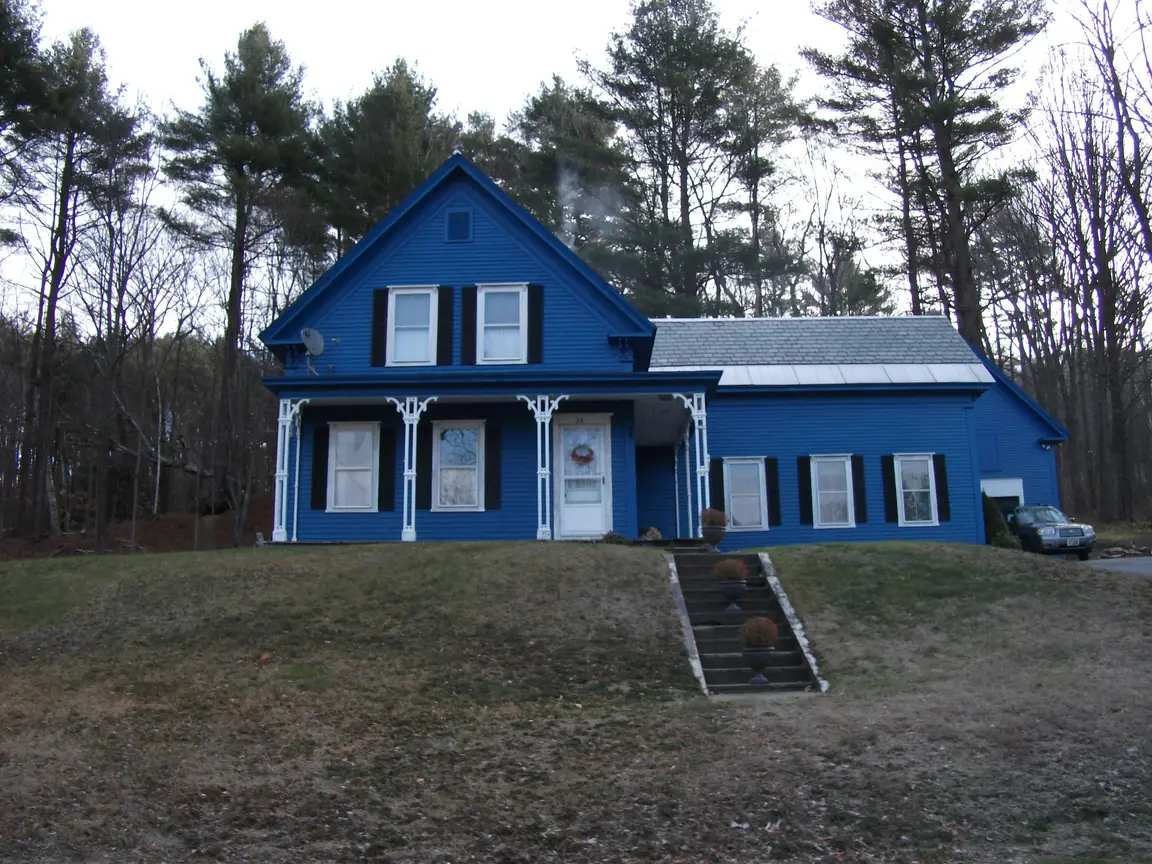
A vacant home doesn’t just sit quietly waiting for a decision — it keeps costing money and creating risk the entire time it’s empty. Whether the house emptied out after an owner passed away, a job relocation, a rental that didn’t work out, or simply years of putting off what to do next, an unoccupied property in New Hampshire faces real exposure: higher insurance costs, break-ins or vandalism, burst pipes in the winter, and the chance that a town could step in if the building is neglected long enough. This guide covers what New Hampshire law allows a municipality to do about a hazardous or neglected building, the practical risks of leaving a house empty, and the options available to you, including selling as-is.
Understanding the Risks of a Vacant Property in New Hampshire
An empty house still generates bills. Property taxes, insurance premiums, utilities to keep pipes from freezing, and basic upkeep like mowing or snow removal don’t pause just because no one is living there. Many standard homeowners insurance policies also restrict or exclude certain claims, such as vandalism, water damage, or fire, once a home has been vacant longer than the period defined in the policy, so a claim that would normally be paid on an occupied home may be reduced or denied on a vacant one. A neglected property is also more likely to draw attention from town code enforcement, especially if neighbors report broken windows, overgrown grounds, or signs the home isn’t being maintained.
New Hampshire’s Law on Hazardous and Dilapidated Buildings
New Hampshire doesn’t maintain a single statewide “vacant property registry,” but it does give cities and towns clear authority to act on a building that becomes a safety hazard through neglect. Under RSA 155-B, a municipality’s governing body (the city council or town selectmen) can order the owner of a “hazardous building,” meaning one that, because of poor maintenance, physical damage, unsanitary conditions, or abandonment, creates a fire or safety hazard, to make repairs or to raze the structure entirely (RSA 155-B:1, RSA 155-B:2). Many towns also have their own local housing or property maintenance ordinances that work alongside this state law.
How New Hampshire’s Enforcement Process Works, Step by Step
- Written order. The governing body issues a written order describing the hazardous conditions, the repairs required, and a reasonable deadline to comply (RSA 155-B:3).
- Service on the owner. The order is served on the property owner, any tenant, and lienholders of record, similar to how a civil lawsuit is served; if the owner can’t be located, notice is posted at the building and published in a local newspaper (RSA 155-B:4).
- Filed with the court and registry. The municipality files the order with the local district or municipal court and records a notice of the pending case with the county register of deeds (RSA 155-B:5).
- Owner’s opportunity to respond. The owner has 20 days to file an answer disputing the facts in the order (RSA 155-B:6).
- Court judgment. If the owner doesn’t respond, or after a contested hearing, the court can affirm or modify the order and set a firm deadline for compliance (RSA 155-B:7, RSA 155-B:8).
- Municipal repair or demolition. If the deadline passes without compliance, the municipality can repair or raze the building itself. The cost becomes a lien against the property, collected much like a property tax lien under RSA 80 (RSA 155-B:9).
Can You Sell a Vacant House Before the Town Takes Action?
Yes. At any point before a court judgment forces the issue, and in many cases even after an order has been issued, you still own the property and have the right to sell it. Selling early avoids legal costs, the risk of a municipal lien for repair or demolition expenses, and the uncertainty of losing control over the property’s timeline. Because we buy houses in as-is condition, deferred maintenance or code violations don’t need to be fixed before closing.
Practical Options While You Decide What to Do
- Secure the property — lock or board up entry points, and consider a monitored alarm or camera to deter vandalism and break-ins.
- Winterize the plumbing — shut off and drain the water system so pipes don’t freeze and burst during the colder months.
- Check with your insurance carrier — ask directly whether your policy still covers a vacant property in full, and whether a vacant-property endorsement is available.
- Keep up basic maintenance — mowing, snow removal, and gutter cleaning can help you avoid drawing code enforcement attention.
- Sell the property as-is — if the ongoing costs and liability of an empty house aren’t worth carrying, selling removes the risk entirely.
Why New Hampshire Homeowners with Vacant Properties Choose to Sell
- Ending ongoing insurance, tax, and utility costs on a home no one is using
- Avoiding vandalism, break-ins, or squatters in an empty house
- Reducing the risk of a code enforcement order or municipal lien down the road
- Living out of state or too far away to manage the property in person — if the vacancy is tied to an inheritance, see our New Hampshire Inherited House guide
- Falling behind on property taxes while the home sits empty — see our New Hampshire Tax Delinquent guide if this applies to you
When Should You Call Us?
New Hampshire homeowners often reach out to us at these moments:
- Your house has been sitting empty for months and you’re not sure what to do with it.
- You’ve received a written order from the town about the property’s condition.
- You’re worried about a municipal lien or losing control of the property’s timeline.
- You’re paying insurance, taxes, and utilities on a home nobody is living in.
- You inherited or moved away from the property and don’t want to manage it remotely.
How We Help New Hampshire Homeowners with Vacant Properties
- Reach out any time — whether the house has been empty for a month or several years.
- Get a no-obligation cash offer — we buy the property in its current condition, no cleanout or repairs needed.
- Close on your timeline — including quickly, if a code enforcement matter is creating time pressure.
Why Choose Expert Land Sellers
- We buy houses as-is, including vacant homes with deferred maintenance or code violations
- No realtor commissions or listing fees eating into your proceeds
- No need to clean out, repair, or even visit the property before closing
- Flexible closing timelines that work around code enforcement deadlines
Frequently Asked Questions
What legally counts as a “vacant” property in New Hampshire?
There’s no single statewide legal definition of “vacant” that applies in every situation. Insurance carriers define vacancy on their own terms, usually based on how long the home has gone unoccupied. Separately, a municipality’s authority under RSA 155-B applies based on a building’s physical condition and safety risk, regardless of how long it’s been empty.
Can my town take my vacant house if it falls into disrepair?
Not directly or immediately. The town can order repairs and, if the order is ignored, ask a court to enforce it. If a court judgment still isn’t satisfied, the municipality can repair or raze the building itself and place a lien on the property for the cost (RSA 155-B:9). That lien could eventually be foreclosed if it goes unpaid, but the town doesn’t simply take ownership of the house outright.
Will my homeowners insurance still cover a vacant house?
Possibly not in full. Many standard policies limit or exclude certain claims, such as vandalism or water damage, once a home has been vacant longer than the period set by the policy. Contact your insurance carrier directly to understand your coverage and ask whether a vacant-property endorsement is available.
Do I have to fix up a vacant house before I can sell it?
No. You can sell a vacant property as-is, including a home with code violations or years of deferred maintenance. As a direct buyer, we purchase properties in their current condition, so no repairs, cleanout, or staging are required before closing.
What if the vacant house is also going through probate?
You can often still take steps to secure, and eventually sell, a vacant, inherited property while probate is pending. See our New Hampshire Probate guide for more on how the probate timeline interacts with a property sale.
A Note on Legal Information
This page is provided for general educational purposes only and is not legal or insurance advice. New Hampshire municipal code enforcement under RSA 155-B is fact-specific, and local ordinances vary by city or town. Please consult a licensed New Hampshire attorney, your local code enforcement office, or your insurance carrier about your specific situation before making any decisions.
Related New Hampshire Guides
- You Inherited a House in New Hampshire — Now What?
- Inherited a House in New Hampshire? Here’s What to Know
- Behind on Property Taxes in New Hampshire? Your Options Explained
- New Hampshire Cash Home Buyer Hub
Get My Fair Cash Offer!
Not sure what to do next? Enter your details below, and we’ll walk you through all your options—whether it’s stopping foreclosure, negotiating with lenders, or selling your home. No fees, no pressure, just expert guidance.
Explore Related Pages
Explore how we help New Hampshire homeowners in similar situations, plus the cities and regions we serve.