
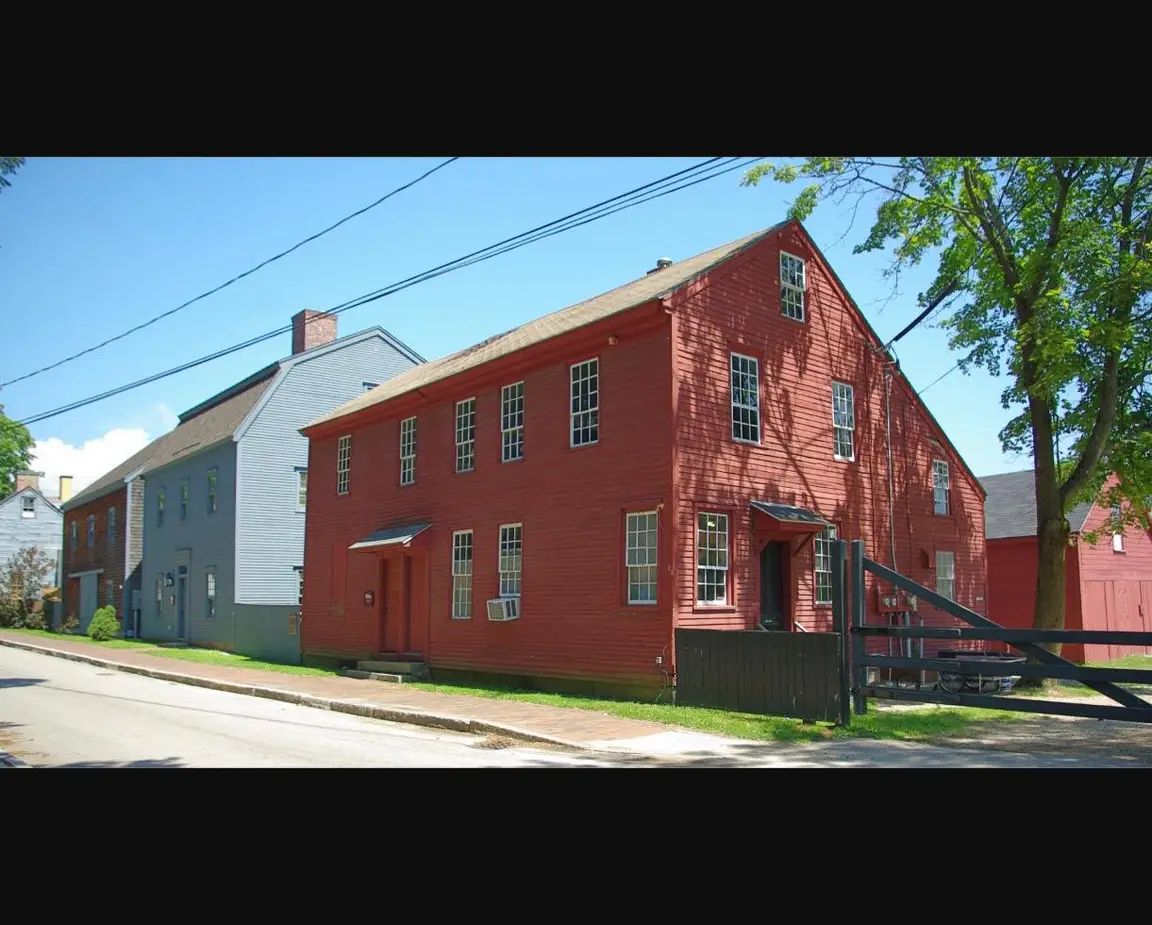
Losing a family member is hard enough without also having to figure out what happens to their house. If you’ve inherited property in New Hampshire — or expect to — it’s completely normal to feel unsure about unfamiliar terms like probate, estate administration, or administrator. This page walks through what typically happens to a house during probate in New Hampshire, when it can be sold, and how we can help if selling turns out to be the right option for your family.
Understanding Probate in New Hampshire
Probate is the court process used to settle a person’s estate after they pass away. In New Hampshire, probate and estate administration matters are handled by the Circuit Court – Probate Division. Depending on the estate, this can involve validating a will, appointing an executor or administrator, paying debts, and eventually distributing remaining property to heirs. Not every estate follows the same timeline, and the process varies based on the size and complexity of what’s involved.
What Happens to a House During Probate?
When someone passes away owning real estate in their own name, that property typically becomes part of the estate and may need to go through probate before it can be sold or transferred. If there’s a valid will, the named executor may need to be formally appointed by the court before acting on the estate’s behalf. If there’s no will, New Hampshire’s intestate succession laws (RSA 561:1) determine who inherits, and the court appoints an administrator to manage the estate. In many cases, the appointed executor or administrator gains authority to sell estate property, subject to the terms of the will and applicable court oversight.
Can You Sell a House During Probate?
Often, yes — but it depends on the estate. An executor or administrator with proper authority can frequently sell probate property as part of settling the estate, sometimes with court approval required depending on the will’s terms or the type of administration involved. If you’re an heir rather than the appointed executor or administrator, you generally can’t sell the property on your own until that authority has been formally established. If you’re unsure whether you currently have authority to sell, a probate attorney or the Circuit Court – Probate Division can clarify your specific situation.
What If There Are Multiple Heirs?
It’s common for a property to pass to more than one heir. When that happens, all heirs generally need to agree on what to do with the property, whether that’s keeping it, selling it, or having one heir buy out the others. Heirs don’t always agree right away, and that’s normal — clear communication early on tends to make things easier. In some situations, court involvement may be needed to resolve disagreements or authorize a sale. Every estate is different, so it’s worth discussing your specific situation with the executor, administrator, or a probate attorney.
When Probate May Not Be Required
Some property may pass outside of probate depending on how it was owned. For example, property held in joint tenancy, certain trusts, or with a transfer-on-death deed may pass directly to a surviving owner or beneficiary without going through the full probate process. Whether this applies to a specific property depends on how title was held and the details of the estate. If you’re not sure whether a property will need to go through probate, it’s worth checking the deed or speaking with a probate attorney.
How We Help Executors, Administrators, and Heirs
Handling an inherited property while managing an estate can be a lot to take on, especially from a distance or alongside everything else on your plate. Here’s how we typically help:
- We buy inherited homes as-is, so there’s no need to make repairs first.
- No need to clean out the property before selling — we can work around what’s left behind.
- Flexible closing timelines that work around the probate process and court schedule.
- We’re experienced working with executors, administrators, and heirs, not just individual homeowners.
- We can coordinate directly with your closing attorney or title company to help keep things straightforward.
Common Situations We See
Every inherited property is a little different. Some of the situations we help with most often include:
- Heirs who live out of state and don’t want to manage a vacant property
- Multiple heirs who need to agree on next steps before selling
- A house full of belongings that no one has had time to sort through
- Deferred maintenance or repairs the property has needed for years
- A mortgage that’s still being paid on the inherited property
- Property taxes or insurance that are still due and adding up
Frequently Asked Questions
Does every house have to go through probate?
Not necessarily. Whether probate is required depends on how the property was owned and titled. Property held jointly, in certain trusts, or with a transfer-on-death deed may pass outside of probate. Property owned solely in the deceased person’s name typically needs to go through probate before it can be sold or transferred.
Can an executor sell a house before probate is finished?
It depends on the estate and the executor’s authority at that point in the process. In some cases, an executor can sell property once appointed by the court, even before probate is fully closed. In other cases, court approval is required first. A probate attorney can clarify what applies to your estate.
What happens if there isn’t a will?
If someone passes away without a will, New Hampshire’s intestate succession laws (RSA 561:1) determine who inherits the property. The court appoints an administrator to manage the estate, generally following a similar process to an executor named in a will, including obtaining authority before selling estate property.
Can multiple heirs sell a house together?
Yes, in many cases multiple heirs can agree to sell an inherited property together, with proceeds divided according to their shares in the estate. If heirs disagree about selling, it’s worth discussing options with the executor, administrator, or a probate attorney, since court involvement is sometimes needed to resolve disputes.
What if the house still has a mortgage?
An existing mortgage doesn’t necessarily prevent a sale. In most cases, it’s paid off from the sale proceeds at closing, similar to a typical home sale. If payments fall behind while the estate is being settled, our New Hampshire Foreclosure Process guide explains what typically happens next and what options may be available.
Do I need to clean out the house before selling?
No. We buy inherited properties as-is, including homes that still have furniture, belongings, or years of accumulated items inside. You’re welcome to remove anything you’d like to keep, but there’s no obligation to empty or clean the property before selling.
A Note on Legal Information
This page is provided for general educational purposes only and is not legal advice. New Hampshire probate law, court procedures, and estate administration requirements can vary significantly based on individual circumstances and may change over time. Please consult a licensed New Hampshire attorney or the Circuit Court – Probate Division about your specific situation before making any decisions about an estate or inherited property.
Related New Hampshire Guides
- You Inherited a House in New Hampshire — Now What?
- Vacant House in New Hampshire? Your Options Explained
- Hoarder House in New Hampshire? Sell As-Is, No Cleanout Needed
- Behind on Property Taxes in New Hampshire? Your Options Explained
- Selling Your House During Foreclosure in New Hampshire
- New Hampshire Cash Home Buyer Hub
Get My Fair Cash Offer!
Not sure what to do next? Enter your details below, and we’ll walk you through all your options—whether it’s stopping foreclosure, negotiating with lenders, or selling your home. No fees, no pressure, just expert guidance.
Explore Related Pages
Explore how we help New Hampshire homeowners in similar situations, plus the cities and regions we serve.