
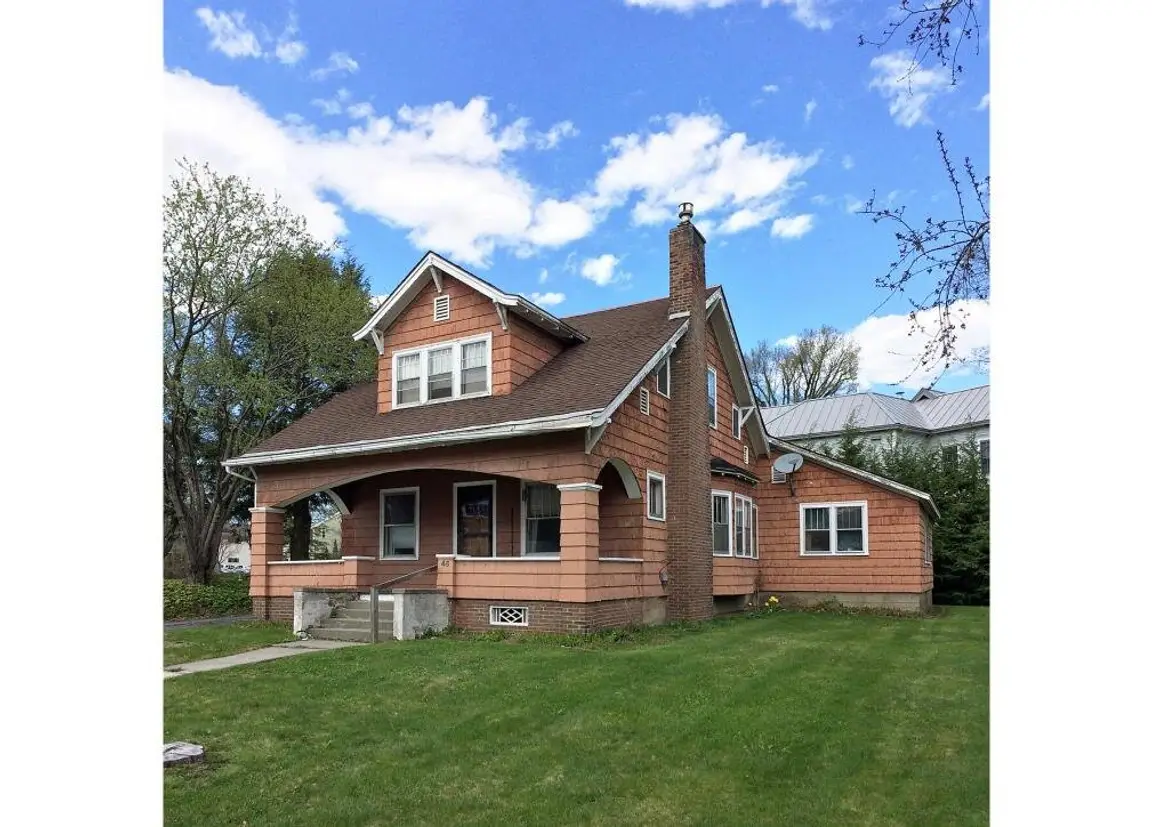
Divorce is hard enough without also having to figure out what to do with the house. Whether you and your spouse both agree it’s time to sell, or you’re still working through the details, the home is often the biggest shared asset — and the biggest source of stress. You don’t have to have everything figured out to start exploring your options.
Common Divorce House Situations
- One spouse wants to keep the house, but can’t afford to buy out the other’s share
- Both spouses want a clean break and would rather sell than co-own anything going forward
- A court has ordered the home sold as part of the settlement
- The mortgage is behind, underwater, or otherwise unaffordable on a single income
- The two of you disagree on price, timing, or how to handle repairs before listing
Your Options for the House in a Divorce
- Buyout: One spouse keeps the home and refinances or otherwise compensates the other for their share of the equity.
- Traditional sale: List with an agent, split the net proceeds per your settlement agreement — typically takes longer and may require repairs, showings, and staging.
- Direct cash sale: Sell as-is to a direct buyer for a fast, simple closing that lets both parties move on without prolonged joint ownership.
Why Speed and Simplicity Matter in a Divorce Sale
The longer a shared home sits unsold, the more opportunities there are for added conflict — over upkeep, mortgage payments, who’s living there, or how showings get scheduled. A fast, straightforward sale removes many of those pressure points, giving both people a clear date to plan around and one less thing to negotiate.
A few related situations come up often during divorce. If one spouse has already moved out and the home is sitting empty, our Vacant House in New Hampshire guide covers the specific risks of an unoccupied property. And if property taxes have fallen behind during the transition, see our guide on Behind on Property Taxes in New Hampshire.
How We Help Divorcing Homeowners
- Make a fair cash offer without requiring repairs, cleaning, or staging
- Work on your timeline, whether that’s fast or coordinated with legal proceedings
- Communicate clearly and separately with each party as needed
- No showings, no open houses, no strangers walking through during a difficult time
- Close on a date that works for both spouses
Frequently Asked Questions
Do both spouses need to agree to sell?
In most cases, yes — if the home is jointly owned, both names on the title generally need to consent to a sale, unless a court order specifies otherwise. An attorney can confirm how this applies to your situation.
What if my spouse won’t sign or cooperate?
This is a legal question that depends on your specific settlement and court proceedings. We recommend speaking with a family law attorney to understand your options if one party isn’t cooperating.
Does selling to a cash buyer still require court or attorney approval?
It can, depending on where you are in the divorce process. We’re happy to work directly with both spouses and their attorneys to make sure the sale fits within whatever the court requires.
Can we sell the house before the divorce is finalized?
Sometimes, yes — it depends on your state of the proceedings and any temporary orders in place. This is something to confirm with your attorney before moving forward.
How is the money from the sale split?
That’s determined by your divorce settlement or court order, not by us. We simply provide the cash offer; how proceeds are divided is between you, your spouse, and your attorneys.
Legal Disclaimer
This page is for general informational purposes only and does not constitute legal advice. Divorce proceedings, property division, and court requirements vary by case. Please consult a licensed family law attorney in New Hampshire regarding your specific situation before making decisions about your home.
Related New Hampshire Guides
- Behind on Your Mortgage? Pre-Foreclosure Options in New Hampshire
- Behind on Property Taxes in New Hampshire? Your Options Explained
- Vacant House in New Hampshire? Your Options Explained
- Selling Your House During Foreclosure in New Hampshire
- New Hampshire Cash Home Buyer Hub
Get My Fair Cash Offer!
Not sure what to do next? Enter your details below, and we’ll walk you through all your options—whether it’s stopping foreclosure, negotiating with lenders, or selling your home. No fees, no pressure, just expert guidance.
Explore Related Pages
Explore how we help New Hampshire homeowners in similar situations, plus the cities and regions we serve.